Custom Design Press | Jan 2, 2023

DTF vs. Sublimation: What's the Difference and Which Is Better?

If you're new to custom apparel printing, you've probably heard people talk about DTF printing and sublimation. Both methods can create beautiful, colorful designs, but they work very differently.

One of the most common questions beginners ask is, "Should I use DTF or sublimation?"

The answer depends on what you're printing, the type of fabric you're using, your budget, and what you want your finished product to look and feel like.

At Custom Design Press (CDP), we've been in the custom printing business since 2018, with hands-on DTF printing experience. We've worked with everything from converted desktop printers to commercial DTF equipment, and we've learned that choosing the right printing method can make a big difference in your finished products.

Whether you're starting a small apparel business, creating shirts for family events, or simply looking for professional transfers, this guide will help you understand the differences between DTF and sublimation.

What Is DTF Printing?

DTF stands for Direct-to-Film printing.

Instead of printing directly onto a shirt, a specialized printer prints your design onto a transparent PET film using CMYK and white inks.

An adhesive powder is applied to the printed design, then cured using controlled heat. Once the transfer is properly prepared, it can be applied to compatible fabrics using a heat press.

The basic DTF process includes:

1. Preparing your artwork in a compatible design program.

2. Printing the design onto DTF film using specialized inks.

3. Applying adhesive powder to the wet printed ink.

4. Curing the powder according to the manufacturer's recommendations.

5. Heat pressing the finished transfer onto your garment.

6. Peeling the film according to the film's instructions and completing any recommended finishing press.

One of the biggest advantages of DTF printing is its versatility.

DTF transfers can be applied to many different fabrics, including cotton, polyester, and various fabric blends.

They also work on light and dark garments because the printing process includes a white ink underbase.

This means you can create colorful designs for black shirts, navy hoodies, white T-shirts, and many other apparel options without completely changing your printing process.

Why DTF Has Become So Popular

DTF printing has become an attractive option for small businesses because it allows full-color artwork without the extensive setup that some traditional printing methods require.

It's especially useful for:

- Custom T-shirts and hoodies

- Family reunions and special events

- School spirit apparel

- Sports and team clothing

- Small business uniforms

- Personalized gifts

- Small production runs and custom orders

You also don't have to own a DTF printer to take advantage of the technology.

Businesses like Custom Design Press offer ready-to-press DTF transfers, allowing customers to apply professional transfers using their own heat press.

What Is Sublimation Printing?

Sublimation is a printing process that uses specialized dye-based ink, transfer paper, and heat to permanently color compatible materials.

During heat pressing, sublimation dye turns into a gas and bonds with receptive polyester fibers or polymer-coated surfaces.

Unlike DTF, which applies a printed layer to the surface of the fabric, sublimation dye becomes part of the compatible material.

That's why properly sublimated polyester shirts generally have no noticeable printed layer sitting on top of the fabric.

How Sublimation Works

The typical sublimation process includes:

1. Creating or preparing your digital design.

2. Printing the artwork using sublimation ink and transfer paper.

3. Positioning the printed transfer on a compatible item.

4. Applying the required heat, time, and pressure.

5. Removing the paper to reveal the transferred design.

Sublimation works especially well on white or light-colored polyester garments and specially coated products.

Popular sublimation products include polyester shirts, mugs, tumblers, mousepads, ornaments, and other polymer-coated blanks.

However, sublimation has one major limitation when it comes to apparel.

Traditional sublimation does not work properly on untreated cotton, and it does not print white ink.

This means dark-colored shirts and regular cotton garments are not ideal candidates for standard sublimation printing.

DTF vs. Sublimation: Side-by-Side Comparison

Cotton shirts

DTF: Yes, on compatible fabrics

Sublimation: Not directly on untreated cotton

Polyester shirts

DTF: Yes

Sublimation: Yes

Dark-colored shirts

DTF: Yes

Sublimation: Not with standard sublimation

White ink

DTF: Yes

Sublimation: No

Full-color designs

DTF: Yes

Sublimation: Yes

Print feel

DTF: Transfer layer can be felt

Sublimation: Little to no added feel on polyester

Fabric blends

DTF: Many compatible blends

Sublimation: Best on high-polyester fabrics

Equipment maintenance

DTF: More involved

Sublimation: Generally simpler

Finished transfer storage

DTF: Possible with proper storage

Sublimation: Printed paper can be stored appropriately

Best applications

DTF: Versatile custom apparel

Sublimation: Polyester apparel and coated products

Both methods can produce professional results. The best choice depends on the product you're creating.

1. Fabric Compatibility: DTF Offers More Flexibility

One of the biggest differences between DTF and sublimation is the range of fabrics you can decorate.

With sublimation, polyester content matters. The higher the polyester content, the better the potential for strong, vibrant color.

A shirt with a low polyester percentage may produce a lighter or faded-looking result.

DTF is different.

Because DTF uses a heat-activated adhesive to bond the printed design to the garment, it can be used on many types of fabric without requiring polyester fibers.

For example, if a customer orders 20 black cotton T-shirts for a family reunion, DTF is generally a more practical choice than traditional sublimation.

If another customer wants a lightweight white polyester shirt with a large, colorful design and minimal print feel, sublimation may be the better option.

The takeaway: If you regularly print on cotton, dark garments, or different fabric blends, DTF provides greater flexibility.

2. Printing on Dark Shirts: DTF Has the Advantage

If you've ever tried to sublimate a dark shirt, you already know the problem.

Standard sublimation ink is translucent, and sublimation printers don't print white ink.

Without a light-colored surface, the design won't display properly.

DTF printing solves this problem by printing a white ink layer behind the colored design.

This white underbase allows bright colors to remain visible on dark garments.

At Custom Design Press, this flexibility is especially valuable when producing custom apparel because customers aren't limited to white or light-colored shirts.

Whether someone wants a bright school mascot on a black hoodie or a colorful business logo on a navy shirt, DTF offers options that standard sublimation cannot.

3. Print Feel: Sublimation Has an Advantage

This is one area where sublimation really shines.

Because sublimation dye bonds with compatible polyester fibers, the design generally doesn't create a separate layer that you can feel.

DTF transfers, on the other hand, create a thin layer of ink and adhesive on the surface of the fabric.

A properly produced DTF transfer can be flexible and comfortable, but you'll usually notice some difference between the printed area and the surrounding fabric.

The size and construction of your design also matter.

For example, a large solid rectangle of DTF ink may feel heavier than a design containing smaller lettering and open spaces.

A Practical DTF Design Tip

When preparing artwork for DTF printing, avoid unnecessary large, solid background areas when the design doesn't require them.

Removing unwanted backgrounds and unnecessary pixels can improve the appearance and feel of the finished print.

This is one reason proper artwork preparation is so important.

4. Durability: Which One Lasts Longer?

Both DTF and sublimation can produce long-lasting prints when properly produced, applied, and cared for.

However, they age differently.

DTF Durability

A quality DTF transfer should remain securely bonded to the garment through repeated washing when the correct materials and pressing instructions are used.

Poor-quality ink, improperly cured powder, insufficient heat press pressure, or incorrect application settings can cause cracking, lifting, or peeling.

Sublimation Durability

Because sublimation dye bonds with compatible material, there is no separate transfer layer to peel away.

However, sublimated designs can still experience fading or color changes over time due to laundering, sunlight exposure, and fabric wear.

Which Is Better?

Neither method automatically guarantees a longer-lasting product.

Proper materials, production techniques, application, and garment care matter more than simply choosing DTF or sublimation.

For DTF customers, following the recommended pressing instructions is especially important.

5. Equipment Costs: Which Is More Affordable?

For beginners, equipment cost can be a major deciding factor.

Starting With Sublimation

A basic sublimation setup generally requires:

- A compatible sublimation printer

- Sublimation ink

- Sublimation paper

- A quality heat press

- Compatible polyester or coated blanks

Depending on the equipment selected, sublimation can be a relatively affordable way to enter the custom printing industry.

Starting With DTF

A complete DTF printing setup requires more specialized supplies and maintenance.

Typical equipment and supplies include:

- A compatible DTF printer

- CMYK and white DTF inks

- DTF PET film

- Adhesive powder

- A suitable powder-curing method

- RIP software

- A heat press

- Printer cleaning and maintenance supplies

Larger production operations may also use automated powder shakers, dryers, and commercial printing equipment.

DTF equipment costs vary significantly depending on the printer size, printheads, automation, and production capacity.

Do You Really Need to Purchase a DTF Printer?

Not necessarily!

One of the easiest ways to begin selling custom apparel is to purchase ready-to-press transfers from an established DTF printing business.

This allows you to focus on designing, pressing, marketing, and selling shirts without taking on the daily maintenance of a DTF printer.

At Custom Design Press, we offer custom DTF printing services for customers who want quality transfers without investing in their own production equipment.

6. Maintenance: DTF Requires More Attention

This is an area where beginners should understand what they're getting into before purchasing equipment.

Sublimation printers still require proper use and maintenance, but DTF printers introduce additional challenges, particularly because of white ink.

White DTF ink contains pigments that can settle over time.

Depending on the equipment, proper white ink circulation, agitation, and regular maintenance may be necessary to keep the system operating correctly.

DTF owners also need to pay attention to nozzle checks, capping stations, wiper blades, ink flow, printhead condition, and environmental conditions.

A Lesson From Hands-On DTF Printing

One thing we've learned through hands-on DTF production is that printer maintenance is not something you can ignore until there's a problem.

A printer may produce beautiful transfers one day and develop banding, clogged nozzles, or white ink issues the next.

The difference between a minor maintenance issue and an expensive repair often comes down to recognizing problems early and following the proper maintenance procedures for your equipment.

If you're considering purchasing a DTF printer, make sure you're prepared for the maintenance responsibilities that come with it.

And if you're not ready for that commitment, purchasing ready-to-press transfers is a practical alternative.

7. Which Method Is Better for Starting a T-Shirt Business?

This depends on your business model.

Choose DTF If You Want To:

- Print on cotton, polyester, and various blends.

- Offer black, navy, and other dark-colored garments.

- Create detailed, full-color designs.

- Sell custom apparel in smaller quantities.

- Offer a wide variety of shirt styles and colors.

- Purchase ready-to-press transfers instead of printing them yourself.

Choose Sublimation If You Want To:

- Specialize in white or light-colored polyester apparel.

- Create polymer-coated mugs, tumblers, and other compatible gifts.

- Produce designs with little or no noticeable print feel on polyester.

- Work primarily with sublimation-compatible blanks.

- Avoid the additional white ink maintenance associated with DTF printing.

Can You Offer Both?

Absolutely.

Many custom printing businesses use multiple decoration methods because no single process is perfect for every product.

Offering more than one method allows businesses to choose the best production technique for each order.

The important thing is understanding the strengths and limitations of each process before promising customers a particular result.

8. Common Beginner Mistakes When Choosing Between DTF and Sublimation

Before investing in equipment or purchasing transfers, watch out for these common mistakes.

Mistake #1: Assuming sublimation works on every shirt.

Traditional sublimation requires compatible polyester or polymer-coated materials. Regular cotton shirts won't produce the same results.

Mistake #2: Thinking DTF transfers work exactly like sublimation paper.

DTF transfers use a different application process, and the film, adhesive, and pressing instructions matter.

Mistake #3: Purchasing a DTF printer without researching maintenance.

The purchase price is only part of the investment. You also need to account for supplies, upkeep, troubleshooting, and possible repairs.

Mistake #4: Ignoring artwork quality.

Low-resolution graphics, unwanted backgrounds, and poorly prepared designs can affect your finished prints regardless of the printing method.

Mistake #5: Choosing a printing method based only on equipment price.

Consider what your customers want, what products you'll sell, and how much time you're willing to spend maintaining equipment.

9. Can You Start Selling DTF Shirts Without Owning a Printer?

Yes, and this is one of the biggest advantages of purchasing ready-to-press transfers.

You can create custom apparel without handling DTF ink, film printing, adhesive powder application, or printer maintenance.

Here's how it works:

1. Create or purchase artwork you have the rights to use.

2. Prepare your design according to your transfer supplier's requirements.

3. Order your custom DTF transfers.

4. Receive your ready-to-press designs.

5. Apply them to compatible garments using a suitable heat press.

6. Sell or enjoy your finished products.

This approach can be particularly useful for people testing a new apparel business or fulfilling occasional custom orders.

Instead of spending money on equipment before you know your demand, you can start with transfers and grow from there.

Ready to Get Started?

Custom Design Press offers custom DTF transfers and printing services for individuals, crafters, and businesses.

Whether you're decorating one shirt or preparing a larger apparel order, purchasing transfers can help simplify your production process.

Visit CustomDesignPress.com to explore our DTF printing services and available products.

Frequently Asked Questions About DTF and Sublimation

Is DTF better than sublimation?

DTF is generally more versatile for custom apparel because it works with many cotton, polyester, and blended fabrics, including dark-colored garments. Sublimation is often preferable for light-colored polyester apparel and compatible coated products.

Can DTF be used on 100% cotton?

Yes. Properly produced DTF transfers can be applied to many 100% cotton garments using the correct heat press instructions.

Can you sublimate on black shirts?

Traditional sublimation does not work effectively on black shirts because sublimation inks are translucent and do not include white ink.

Does DTF printing crack or peel?

Quality DTF transfers should withstand normal use and repeated washing when produced and applied correctly. Problems such as cracking and peeling can occur due to poor materials, improper curing, incorrect pressing, or garment care issues.

Do I need a DTF printer to make custom shirts?

No. You can purchase ready-to-press DTF transfers from a supplier such as Custom Design Press and apply them with a suitable heat press.

Which printing method is better for small businesses?

Both can work well. DTF offers more garment flexibility, while sublimation is particularly useful for polyester apparel and coated products. The best choice depends on your product offerings and business goals.

Final Thoughts: DTF or Sublimation?

DTF and sublimation both have a place in custom printing. The better choice depends on the products you want to create, the fabrics you use, and how you prefer to manage production.

If you want to decorate cotton shirts, dark-colored hoodies, and a variety of compatible fabric blends, DTF offers considerable flexibility.

If you primarily work with white or light-colored polyester apparel and specially coated gift items, sublimation can be an excellent option—especially when you want a design with little or no added feel on polyester.

You also don’t have to invest in both printing systems to offer more products. Purchasing ready-to-press DTF transfers allows you to expand your apparel options while continuing to use sublimation for suitable products.

At Custom Design Press, we help individuals, crafters, and small businesses bring their ideas to life. Whether you need professionally printed transfers, supplies for your own setup, or finished custom apparel, we’re here to help you take the next step.

Explore our DTF transfers, browse our DTF printing supplies, or let us create your custom apparel.

Custom Design Press LLC — Established in 2018. Helping creators bring their designs to life.

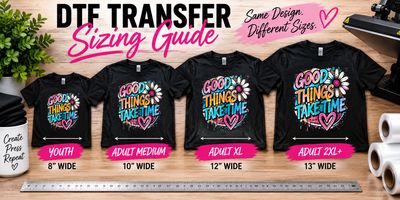
Not sure what size transfer you need? Custom Design Press is always happy to help you choose a size that works with your design and garment.

Custom Design Press

More Posts

DTF Transfer Sizing Guide: What Size Should Your Shirt Design Be?DTF Transfer Sizing Guide: What Size Should Your Shirt Design Be?
DTF Transfer Sizing Guide: What Size Should Your Shirt Design Be?

Choosing the right size for a DTF transfer can make the difference between a shirt that looks professionally made and one that feels too small, too large or awkwardly placed.

In this guide, I’ll walk you through practical starting sizes for common shirt designs, left-chest prints, youth apparel and larger garments—plus a few things to consider before you press.

What Are DTF Transfers? A Beginner’s Guide to Direct-to-Film PrintingWhat Are DTF Transfers? A Beginner’s Guide to Direct-to-Film Printing
What Are DTF Transfers? A Beginner’s Guide to Direct-to-Film Printing

DTF transfers make it possible to create vibrant, full-color apparel without owning a DTF printer. In this beginner-friendly guide, I’ll explain what DTF transfers are, how they work, what you need to apply them, and why they’ve become such a popular option for custom apparel and small T-shirt businesses.

Why Is My DTF White Ink Not Printing? Common Causes and SolutionsWhy Is My DTF White Ink Not Printing? Common Causes and Solutions
Why Is My DTF White Ink Not Printing? Common Causes and Solutions

Few things are more frustrating than preparing a beautiful design, sending it to your DTF printer, and discovering that your white ink isn’t printing correctly.

Maybe your colors look fine, but the white underbase is missing. Maybe the white prints with lines or gaps. Or perhaps your printer worked yesterday and suddenly refuses to print white today.

White ink problems are among the most common challenges in DTF printing.

At Custom Design Press, our hands-on experience includes converted Epson printers and commercial DTF equipment. One lesson stands out: identifying the actual problem is much more effective than randomly changing settings.

Here’s a practical way to work through the possibilities.

10 DTF Printing Mistakes Beginners Should Avoid

Getting started with DTF printing can be exciting, especially when you see your first colorful design come off the printer. But anyone who has spent time working with DTF equipment knows that things don’t always go according to plan.

Epson XP-15000 vs. ET-8550: Which Is Better for DTF Printing?

If you're researching affordable ways to start DTF printing, you've probably come across two popular Epson models: the Epson Expression Photo HD XP-15000 and the Epson EcoTank Photo ET-8550.