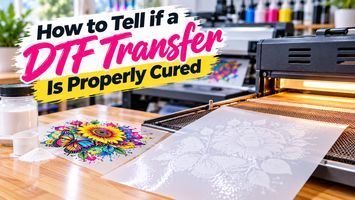
Follow powder-specific curing instructions; verify actual curing heat; test adhesion and wash durability.
Materials and preparation
Check the compatibility of your artwork, ink, film, adhesive, garment and equipment before production. Read the relevant supplier instructions, including curing and pressing conditions. A small trial with representative materials is more informative than assuming all DTF systems behave alike.
A practical workflow
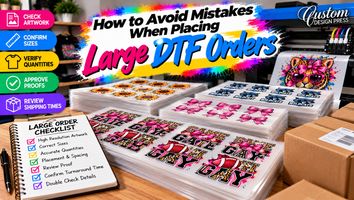
Prepare the design at its final dimensions, inspect the materials and run a controlled sample. Follow powder-specific curing instructions; verify actual curing heat; test adhesion and wash durability. Record the settings and outcome so you can repeat a successful result. For customer work, verify quantities and placement before completing the full order.
Common mistakes to avoid
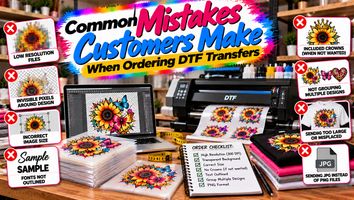
Avoid changing multiple variables at once, skipping a test because the artwork looks good on screen, or treating supplier instructions as interchangeable. Do not assume higher heat, more ink, more adhesive or more cleaning will always improve a result. Each of those changes can introduce a different problem.
How to check quality before a customer order
Inspect sharpness, intended colors, white underbase coverage, transfer release and garment adhesion as appropriate for the topic. Keep one labeled reference sample. If you change ink, film, powder, software settings or blank garments, repeat the relevant test. For new transfer combinations, include wash testing before committing to a large run.
Frequently asked questions
What should beginners do first? Begin with the actual manufacturer or supplier instructions, inspect the materials and perform a small controlled test. Can one setting work for every printer or garment? No. Printer configuration, materials, fabric composition and application equipment can all change the correct procedure. When should I ask for technical help? Seek qualified support when safe approved troubleshooting does not resolve the issue, or when a repair could damage the printhead, electronics or ink system.
Final thoughts
The best results come from careful preparation, consistent materials and measured troubleshooting. Follow powder-specific curing instructions; verify actual curing heat; test adhesion and wash durability. Custom Design Press offers custom DTF transfers and selected DTF printing supplies for individuals, crafters and apparel businesses. Explore current products and services at www.CustomDesignPress.com. Product availability and exact application instructions should always be confirmed before ordering. Custom Design Press LLC — Established in 2018.